

AI Hiring Disclosure Laws Are Expanding
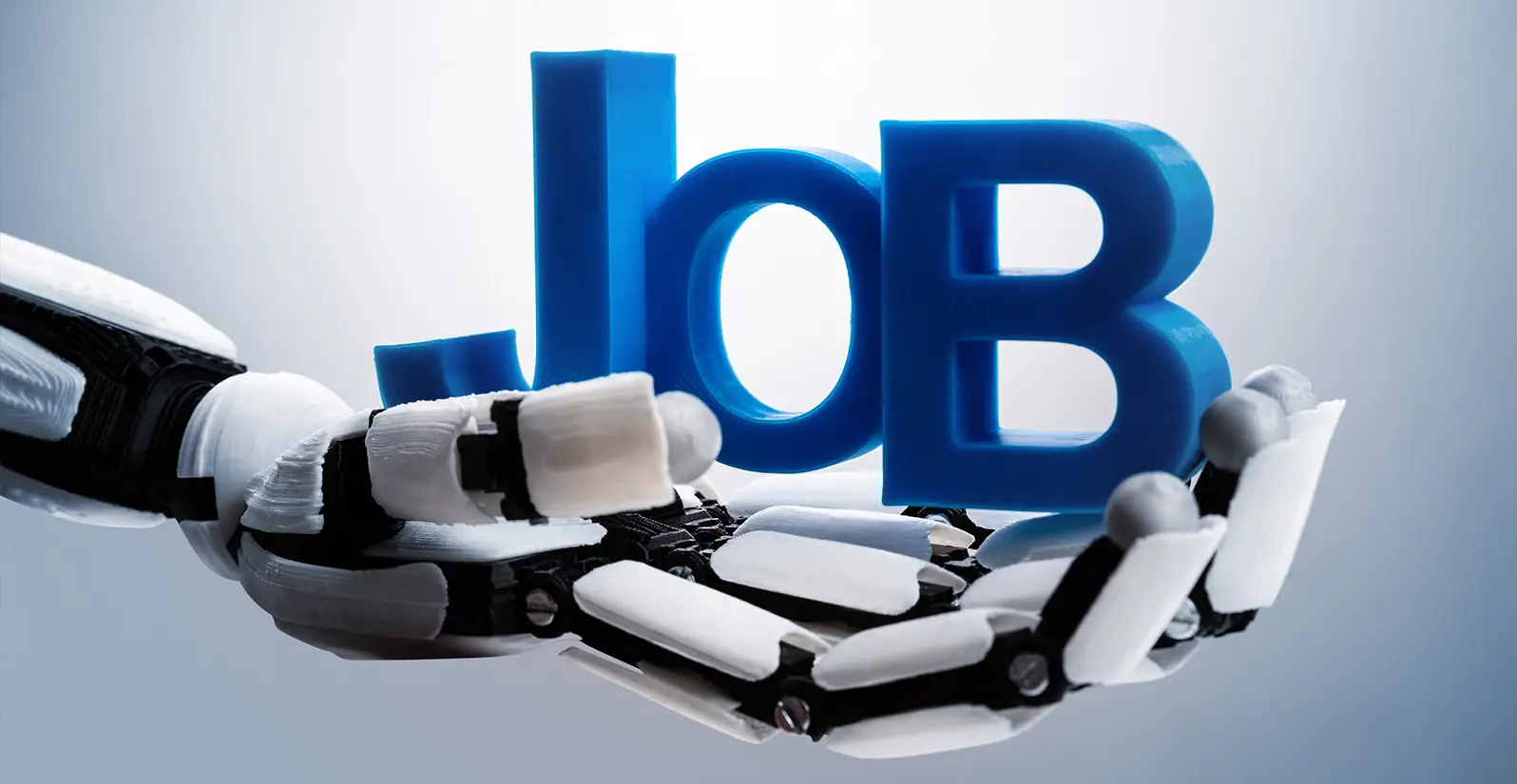
AI Hiring Disclosure Laws Are Expanding
The Era of Invisible AI in Hiring Is Coming to an End
Not long ago, artificial intelligence was something employers experimented with behind the scenes. Today, AI is becoming a standard part of recruiting. Organizations use technology to screen resumes, rank candidates, schedule interviews, analyze applicant responses, and identify potential hires more efficiently than ever before. For employers, the benefits are obvious. Hiring teams can process larger applicant pools, reduce administrative work, and move candidates through the recruiting process faster.
For applicants, however, the experience is often less transparent. Many candidates have no idea when artificial intelligence is influencing their application, evaluating their qualifications, or helping determine whether they advance to the next stage of hiring. That lack of visibility is drawing increasing attention from lawmakers across the country.
A New Compliance Trend Is Emerging
The conversation surrounding AI in hiring has shifted significantly over the past few years. Initially, most discussions focused on whether artificial intelligence could help improve recruiting outcomes. Today, regulators are asking a different question. Should applicants be informed when AI is involved in employment decisions?
An increasing number of states and local jurisdictions believe they should. As a result, a growing patchwork of laws is beginning to emerge. Some focus specifically on applicant notification. Others address bias testing, transparency requirements, record retention, or employer accountability when automated decision making tools are used. The common theme is clear. Regulators want more transparency around how artificial intelligence influences employment decisions.
Illinois Helped Start the Conversation
One of the earliest examples came from Illinois. Under the Artificial Intelligence Video Interview Act, employers that use AI to analyze applicant video interviews must notify candidates, explain how the technology works in general terms, and obtain consent before the technology is used. Candidates must understand that AI is part of the evaluation process before participating. While the law applies specifically to video interview analysis, it established an important precedent. Job applicants increasingly have a right to know when technology is helping evaluate them.
New York City Raised Expectations Even Further
New York City took a broader approach. Its Automated Employment Decision Tool law requires employers using certain AI driven hiring technologies to conduct annual bias audits and provide notices to applicants before using those tools. Information about the audit must also be made publicly available. The law attracted national attention because it moved beyond simple disclosure and focused on accountability. The message was clear. Transparency alone may not be enough. Employers may also need to demonstrate that the technology they use is operating fairly.
Connecticut Signals Where States May Be Heading
More recently, Connecticut adopted legislation requiring employers to notify applicants and employees when artificial intelligence or automated decision making technology is being used in employment related decisions. The law also requires employers to disclose information about the technology and the data involved in those decisions.
While some provisions do not take effect immediately, Connecticut’s legislation reflects a growing belief among policymakers that employees and applicants deserve greater visibility into automated workplace decisions.
California Is Becoming One of the Most Important States to Watch
While California does not currently have a simple standalone law that requires every employer to notify applicants whenever AI is used in recruiting, it may ultimately become one of the most influential states in this area. California’s Civil Rights Council adopted regulations that took effect in 2025 and make it clear that AI driven hiring and employment decisions are subject to the state’s anti-discrimination laws. Employers remain responsible for discriminatory outcomes even when decisions are assisted by third party technology vendors.
In addition, California has approved extensive automated decision making regulations that will impose significant transparency, notice, risk assessment, and recordkeeping requirements on many employers beginning in 2027. California lawmakers have also explored legislation that would require employers to notify workers and job applicants when automated decision systems are being used in employment decisions. Although those proposals have evolved through the legislative process, they demonstrate the direction policymakers are moving. For employers operating in California, waiting for a simple disclosure mandate may be missing the bigger picture. The state is increasingly focused on accountability, transparency, and oversight whenever AI influences employment decisions.
Why Employers Should Pay Attention Now
Many organizations assume these laws only affect large technology companies. That assumption can be dangerous. Modern recruiting software often contains AI features that employers may not even realize they are using. Resume screening tools, candidate ranking systems, automated interview platforms, and chatbot recruiters frequently rely on artificial intelligence in some capacity. An employer may think they are simply using recruiting software. Regulators may view the same technology as an automated decision making tool subject to disclosure requirements.
Understanding exactly where AI is involved in the hiring process is becoming just as important as understanding wage and hour laws, leave requirements, or workplace harassment regulations.
Transparency Is Becoming a Candidate Expectation
Even where laws do not yet require disclosure, applicant expectations are changing. Most candidates understand that technology is part of modern recruiting. What concerns them is uncertainty. They want to know whether a person reviewed their resume. They want to know if software helped rank candidates. They want reassurance that important career decisions are not being made entirely by algorithms.
Organizations that communicate openly about their use of technology often build greater trust than organizations that remain silent. In many ways, transparency is becoming part of the candidate experience.
The question is no longer whether artificial intelligence will be used in hiring. The question is how much employers will be required to disclose about it.
Illinois already requires notice and consent in certain AI interview situations. New York City requires notices and bias audits for certain automated hiring tools. Connecticut has adopted new disclosure requirements. California is implementing some of the most comprehensive AI employment regulations in the country and continues moving toward greater transparency and oversight. For employers, the safest approach is not to wait for new regulations to arrive. It is to understand how AI is currently being used, evaluate whether appropriate disclosures are being provided, and prepare for a future where transparency is likely to become a standard part of the hiring process.
The organizations that adapt early will be better positioned to maintain compliance, build applicant trust, and navigate the rapidly evolving world of AI driven recruiting.